Should You Get a Herding Breed? Honest Pros and Cons

Updated: May 26
Living with a herding breed isn't like living with a Labrador. It's not harder, exactly — it's different. And the difference matters because most of the people who give up on their herding dog in the first two years didn't fully understand what they were signing up for.
This is the honest version: the real joys, the real challenges, and an honest framework for deciding whether a herding breed suits your life. No "perfect for any home" platitudes.
The Joys (What Makes It Worth It)
1. The Bond Is Unusually Deep
Herding breeds are one- or two-person dogs by default. The connection that develops over the first year isn't casual affection — it's something closer to partnership. They watch you. They learn your routines. They know when you're winding down for the night before you do.
2. Trainability Is Genuinely Impressive
A herding breed can learn a new trick in three to five repetitions. Genuinely. They pick up complex chains of behaviour — fetch the named object, bring it to the marked spot, ring the bell — that other breeds struggle with for weeks.
3. They Read the Room
Herding dogs are emotionally perceptive. They notice when you're sad and adjust. They pick up tension in the household and respond to it. This isn't projection on the owner's part — there's good research showing herding breeds score high on owner-attentiveness measures.

4. The Settle After Real Work Is Magic
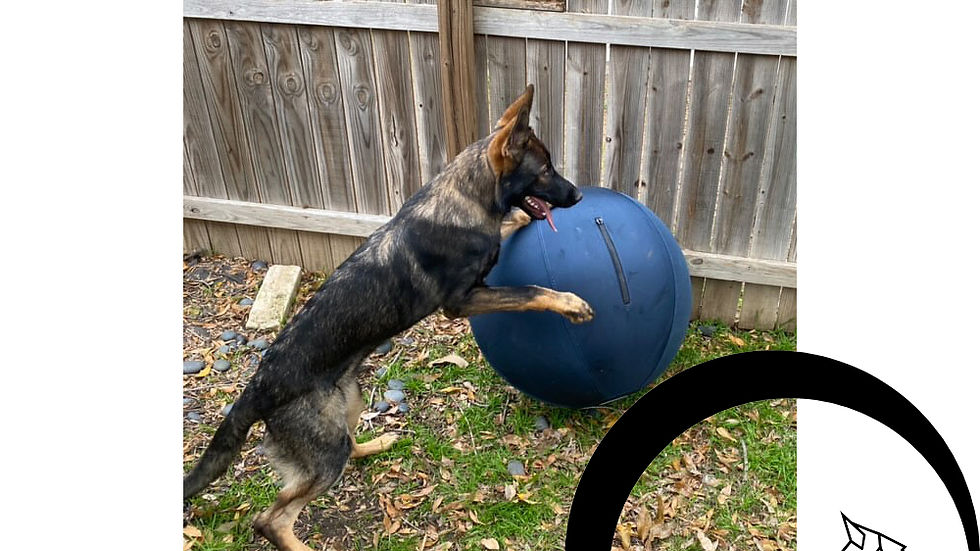
A herding breed that's had a proper structured session — 20 minutes of herding ball work, scent games, or training — settles into a kind of contented exhaustion that lasts the rest of the day. It's the most satisfying thing about owning the breed.
The Challenges (What You Need to Know Before You Commit)
1. They Need Daily Structured Work
Not exercise — work. Walks alone don't satisfy a herding brain. You're committing to a daily 20-30 minute session that engages the dog mentally, every day, for the next 12-14 years. Skip the work and the dog finds its own — usually destructively.
2. They're Sensitive to Household Tension
The same perception that makes them attentive companions makes them vulnerable. Arguments, schedule disruptions, new partners, new babies — these affect herding breeds more than other dogs. They don't shake it off.
3. The Herding Instinct Doesn't Switch Off
In a suburban home, the instinct to chase moving things finds outlets. Kids running across the yard. Cyclists. Cars past the fence. Other dogs. Without an active outlet (real work), the instinct accumulates as low-grade frustration or breaks out as reactivity.

4. Adolescence Is Genuinely Hard
Between 8 and 18 months, herding breeds test every rule, lose their settle, develop reactivity that wasn't there before. Owners who didn't expect this often surrender the dog at this stage. Owners who knew it was coming work through it — and the dog comes back, usually around the 2-year mark.
5. The Australian Climate Is Hostile to Some of Them
Double-coated breeds (Border Collies, Aussie Shepherds, GSDs, Rough Collies) struggle in Queensland summers and need real adjustments — flipped walking schedule, indoor enrichment during peak heat, vigilance about paw burn on bitumen.
Are You the Right Fit?
Honest indicators that a herding breed will work in your home:
You're home most days, or you have a flexible work arrangement
You enjoy the training process — not just the result
Your household is reasonably calm and predictable
You can commit to 30-60 minutes of active engagement daily for the next 12+ years
You're patient with adolescence and willing to work through reactivity if it appears
Indicators that another breed might suit you better:
Full-time office work with the dog home alone 8+ hours daily
Small apartment with no yard or nearby park
Young children plus a wish for an immediate "family dog" without months of foundation work
Want a dog primarily for casual companionship and walks
If you fit the first list, a herding breed will probably be the best dog you'll ever have. If you fit the second, please choose a different breed — there are great dogs better suited to your lifestyle, and a mismatched herding dog usually ends up at a rescue centre by 18 months.

Vet Disclaimer
This is general guidance, not a recommendation about your specific situation. If you're considering a herding breed, talk to local breed-specific rescue groups, breed clubs (Dogs Australia has them all), and current owners before committing. A vet or veterinary behaviourist can help if you're already living with one and struggling.
Where to Next
For breed-specific reads to refine the decision: Border Collie, Australian Shepherd, German Shepherd, or the cross-breed overview Types of Herding Dogs in Australia.
If you've already committed and want to set up well, A Day in the Life of a Herding Dog and Training Fundamentals are the practical next steps.
And the CollieBall complete package — the daily-work centrepiece — ships in 4 sizes from our Tweed Heads NSW base.


Comments